
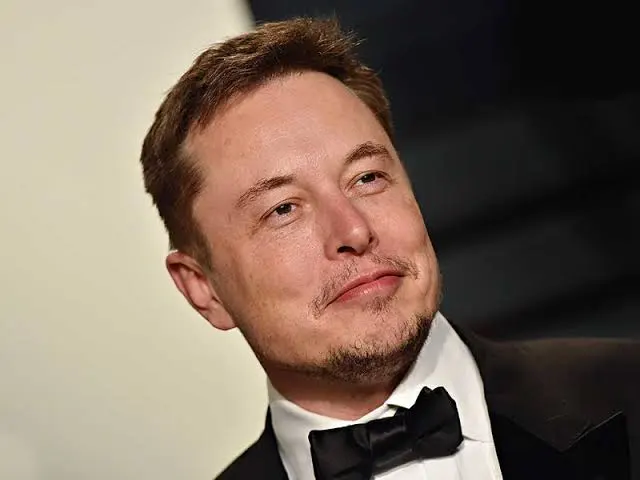
Elon Musk has reportedly invested approximately $1 billion in Skydance, the media company led by David Ellison that now brings together Paramount and Warner Bros. Discovery. First reported by Semafor on October 22, 2026, and subsequently reported by CNBC, the investment would give the newly combined entertainment group another high-profile financial backer at a time when it is preparing to integrate major studios, streaming services and television networks while pursuing billions of dollars in cost savings.
The reported transaction has not been publicly confirmed by Musk or Skydance. Reuters also reported the figure after CNBC's coverage, citing the broadcaster's source. The precise terms, the size of any ownership stake and the specific conditions attached to the reported investment have not been disclosed publicly. Semafor reported that Musk's investment came together around the same time as contributions from other investors, including Skydance board member Laurene Powell Jobs.
The timing makes the reported deal particularly notable. Skydance completed its acquisition of Warner Bros. Discovery on October 6, creating a much larger entertainment business with two major film studios, HBO, Paramount+, HBO Max, CBS, CNN and an extensive portfolio of television networks, sports rights and intellectual property. The combined company is now tasked with bringing these operations together while reducing costs and managing the financial commitments associated with the acquisition.
A $1 billion investment with a much bigger financial backdrop
The Warner Bros. Discovery transaction was valued at approximately $110 billion in enterprise value under the original deal terms, making it one of the largest media transactions in recent years. Skydance has said it is targeting more than $6 billion in annualised cost synergies over three years, with savings expected from technology integration, procurement, marketing, real estate and other operational changes.
The new company has also inherited a substantial debt burden. Contemporary reporting has put its debt at close to $80 billion, although the precise figure depends on the measure and timing used. Against that background, a reported $1 billion equity investment would be meaningful, but it would represent only a small portion of the group's overall financial obligations.
The distinction between equity and debt is important. Equity capital can help fund a business without requiring the same scheduled repayments as borrowing, although it can dilute existing shareholders and comes with expectations about future value. Debt, by contrast, requires servicing and repayment according to its terms. Skydance's ability to integrate the businesses, protect revenue and deliver its promised savings will matter far more to its long-term financial position than the headline amount of a single investor's reported contribution.
The company is also trying to change how a traditional media business operates. David Ellison has spoken about building a stronger technology organisation, improving streaming products and bringing technology more centrally into the company's operations. The combined group has to reconcile different corporate systems, streaming platforms, production operations and distribution arrangements while continuing to release films, programmes and live content. These are complex changes even before the pressure to reduce expenses is added.
The Ellison connection goes back years
Musk's reported investment also follows a long financial and personal relationship with Larry Ellison, Oracle's co-founder and David Ellison's father. Larry Ellison has previously supported Musk's businesses, including Tesla, and committed approximately $1 billion toward Musk's 2022 acquisition of Twitter, the platform later renamed X. He also served on Tesla's board for several years.
Larry Ellison played a major financial role in the Paramount–Warner Bros. Discovery transaction. Semafor reported that he personally guaranteed more than $40 billion in equity financing connected with the acquisition. The wider deal included substantial equity commitments from the Ellison family, RedBird Capital Partners and Middle Eastern sovereign investment funds, alongside debt financing.
These earlier relationships provide context for why Musk's reported involvement in Skydance attracted attention. The two billionaires have overlapping business interests and a history of financial cooperation, while David Ellison is attempting to position the media group as a more technology-driven operation. However, the public information available so far does not establish what strategic rights, if any, Musk received through the reported investment, whether he will have a role in company decisions, or whether the transaction involves any wider commercial agreement with his other businesses.
Musk's public praise for the Ellisons has also prompted speculation about potential collaboration. One possibility discussed in media coverage has involved the relationship between satellite connectivity, technology and entertainment distribution. But speculation should not be confused with a confirmed partnership: there has been no publicly verified agreement showing that Starlink will become a Skydance distribution partner as a result of the reported investment.
HBO's Musk documentary creates an unusual question
The reported investment has another dimension because Skydance now owns HBO, which is preparing to distribute Musk, a documentary about the billionaire directed by Alex Gibney. The film opened in US cinemas on October 9, 2026, and has drawn public criticism from Musk. Gibney has said that HBO plans to air the documentary, with a streaming release expected in the first quarter of 2027 according to earlier reporting.
In an interview published by Business Insider on October 15, Gibney said he had been told that HBO would show the film and that David Ellison knew about the project and had promised it would air. HBO declined to comment to Business Insider at the time, while Skydance did not respond to its request. The documentary's future became a subject of discussion after the Warner Bros. Discovery acquisition closed, because ownership changes can lead to questions about how a new corporate leadership team will handle existing programming commitments.
Musk has criticised Gibney and the documentary publicly, while X declined to run advertisements for the film in September, according to the reporting supplied by The Next Web. The filmmaker's work therefore sits at the intersection of a business relationship and a publicly contentious subject: the owner of the platform that would distribute the documentary is reportedly receiving investment from the person the film examines.
That situation does not, by itself, establish that Musk's reported investment will affect HBO's editorial or programming decisions. The investment has not been publicly confirmed, its terms remain unknown, and there is no verified evidence that Musk has requested the documentary be changed, delayed or withdrawn. The relevant question is whether HBO will honour its stated plans and make its programming decisions independently of the interests of a potential investor.
For a media company seeking credibility with audiences and creators, the way it handles such a situation can carry reputational significance. Maintaining an existing release commitment would not settle every question about editorial independence, but changing the plans after the reported investment could prompt additional scrutiny. As of the latest reporting cited here, the documentary's expected streaming release remains a reported plan rather than a guarantee confirmed by HBO in a public statement.
What Musk may see in Skydance
The reported investment comes at a time when the boundaries between technology and media are becoming less distinct. Streaming platforms depend on software infrastructure, data analysis, personalised recommendations and digital distribution, while entertainment companies are increasingly expected to compete with technology firms for audiences and subscription revenue. Ellison has argued that Skydance should operate with technology at the centre of its strategy, and Musk's involvement would be consistent with the broader overlap between his interests in software, communications infrastructure and large-scale technology businesses.
Still, the investment's strategic purpose has not been publicly explained. It would be premature to conclude that Musk is buying influence over a particular network, seeking access to a content library, or planning a specific Starlink–Skydance product. Without the investment terms or an official announcement, those remain possibilities rather than established facts.
For Skydance, the immediate task is more concrete. It must integrate the operations acquired through the Warner Bros. Discovery deal, pursue the targeted cost savings and maintain the creative output that supports its studios, television networks and streaming services. Cutting expenses can improve financial performance, but aggressive reductions can also create risks if they weaken production capacity, technical operations or the company's ability to retain creative talent.
For Musk, if the reported investment is accurate, the transaction adds another connection to an influential media organisation at a time when he remains a major figure in technology and social media. The extent of that connection will depend on the actual terms of the deal and whether the investment leads to any further business relationship.
The headline figure is striking, but the more important story is what happens after the money arrives. Skydance faces a large integration programme, significant debt and ambitious savings targets, while HBO has a documentary about Musk approaching its expected streaming window. The company's financial decisions and its handling of the documentary will be watched separately, but both will contribute to how audiences, investors and the entertainment industry judge the new media group.
Until Musk or Skydance confirms the reported transaction and discloses further details, the $1 billion figure should be treated as a report attributed to sources familiar with the matter, not a completed deal whose terms are publicly known. What is already clear is that Skydance is entering a demanding period in which financial discipline, technology investment and public trust will all influence the success of its new corporate structure.
Evidence notes
- The reported investment links Musk more closely to David Ellison’s expanding media empire, just weeks after Skydance completed its Warner Bros. Discovery acquisition and as HBO prepares to stream a documentary about Musk.
- Last verified Oct 25, 2026.
- 0 source records tracked across sources.
- High freshness risk: funding and company status can change after publication.
Corrections, source notes or contact
Seen something that needs correction, context or a stronger source? MEET keeps stories human-reviewed and evidence-backed.