
Nevis, a fintech startup building AI software for wealth management firms, has raised $70 million in Series B funding led by EQT Ventures. New investors Charles Schwab and QuantumLight joined the round, while existing backers Sequoia Capital, ICONIQ and Ribbit Capital increased their investments. The latest financing brings Nevis’s total funding to $110 million since its founding in 2024.
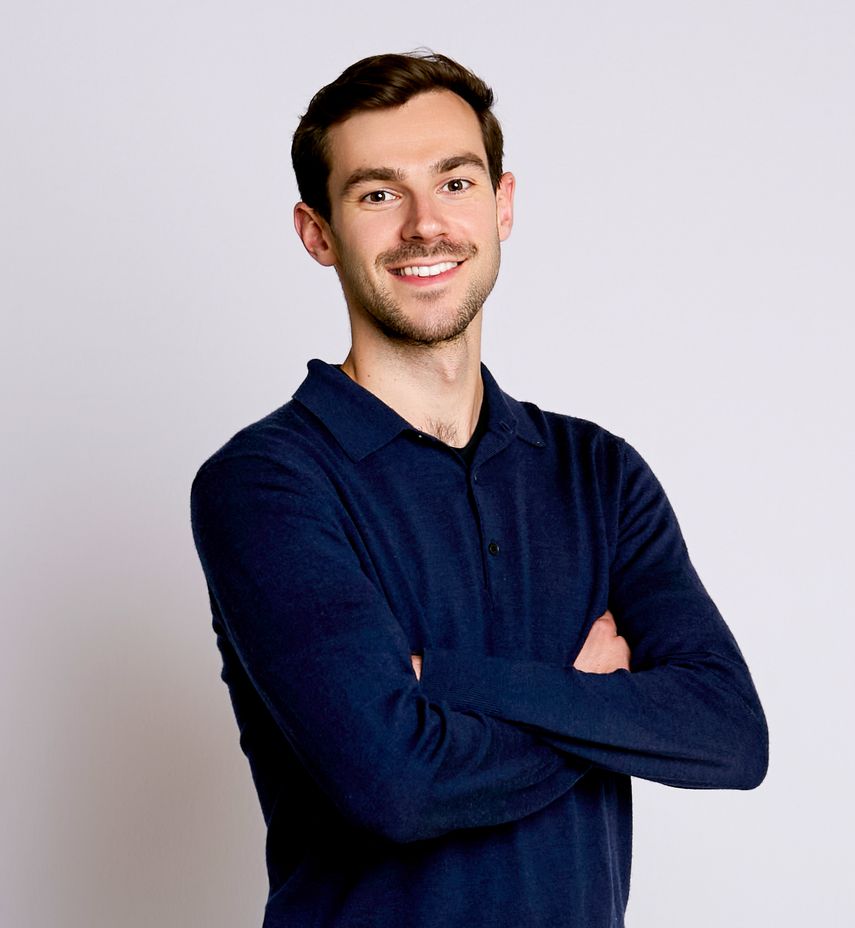
The company was founded by Mark Swan, Philipp Burda and Ivan Chalov, three former Revolut executives who believe artificial intelligence can address one of the wealth management industry's persistent operational problems: advisers spend substantial time on administration instead of working directly with clients. Their product brings customer relationship management, meeting intelligence, financial planning and account-related workflows into a single platform, with AI agents designed to complete operational tasks rather than simply generate recommendations or summaries.
For financial advisers, routine work can include preparing for client meetings, updating records, documenting conversations, creating financial plans and processing account-opening paperwork. These tasks often involve multiple software systems and repeated manual data entry. Nevis aims to connect those systems and allow its agents to carry work through several stages, reducing the amount of administrative effort required from advisers and their support teams.
According to the company, its agents have completed more than 100,000 operational tasks. Nevis also reports that advisers using the platform can reclaim up to 10 hours each week and hold 30% more meetings with prospective clients. These are company-reported outcomes rather than independently established results across the entire wealth management industry, but they illustrate the productivity improvements Nevis is trying to deliver.
The startup says its growth has accelerated during 2026. Revenue has increased more than 25-fold, while assets represented on its platform have risen from $50 billion to $700 billion. Nevis reports that it is adding approximately $75 billion in platform assets each month, with customers including Focus Financial Partners, IEQ Capital and United Capital. These figures indicate the scale of the financial institutions using its technology, although assets supported by a software platform should not be confused with assets directly managed or owned by the startup.
Charles Schwab's participation is particularly significant because the company operates a major US brokerage and custody business serving independent registered investment advisers. Nevis's technology is designed to work across the systems wealth managers already use, including custodians and financial software providers. Deeper integration could make it easier for advisers to automate workflows that involve client information and account documentation, although actions involving financial assets require careful authorisation and control.
Schwab has described its investment and partnership with Nevis as part of its effort to expand the AI capabilities available to advisers. The relationship also comes amid wider questions about how financial institutions should permit third-party AI agents to interact with sensitive systems. Automating paperwork and preparing financial plans are different from authorising money movement, so firms adopting these tools will need to define permissions, maintain audit trails and ensure that important financial decisions remain appropriately supervised.
EQT Ventures led the round, and partner Carolina Brochado will join Nevis's board of directors. QuantumLight, the investment firm established by Revolut co-founder and CEO Nik Storonsky, also joined as a new investor. The participation of investors with experience in fintech and financial services gives Nevis access to networks that could be useful as it expands into a market where trust, regulatory expectations and integration with existing infrastructure are central to adoption.
Nevis plans to use the new capital to develop additional AI-agent capabilities, deepen integrations with custodians and wealth management software, and expand its product and commercial teams. Its broader ambition is to become a foundational technology platform for wealth management, connecting the systems advisers use and automating more of the work that takes place behind each client relationship.
The opportunity is substantial, but adoption will depend on more than the ability to automate tasks. Wealth management firms handle highly sensitive personal and financial information, and they must be able to understand what an AI agent has done, why it took a particular action and where human approval is required. Reliability, security and integration with existing systems will therefore be important as Nevis moves into increasingly complex workflows.
For Swan, Burda and Chalov, the next phase is about proving that AI agents can become part of the operational infrastructure of financial advice. The $70 million round provides resources to expand the product and its reach, while the company's reported growth suggests that wealth management firms are showing interest in the model. Whether Nevis can turn that early momentum into a durable position across the industry will depend on how consistently its technology delivers useful results in the real-world environments where advisers and clients rely on it.
Evidence notes
- Founded by former Revolut executives Mark Swan, Philipp Burda and Ivan Chalov, the startup is automating financial advisory workflows as it expands across the wealth management industry.
- Last verified Oct 27, 2026.
- 0 source records tracked across sources.
- High freshness risk: funding and company status can change after publication.
Corrections, source notes or contact
Seen something that needs correction, context or a stronger source? MEET keeps stories human-reviewed and evidence-backed.